Unearthing the Radical Roots of Curb Cuts in Disability Activism
Unearthing the Radical Roots of Curb Cuts in Disability Activism
Unearthing the Radical Roots of Curb Cuts in Disability Activism
Navigating through Aimi Hamraie's exploration of curb cuts, revealing the untold stories and symbolic narratives embedded in disability activism and design.
Navigating through Aimi Hamraie's exploration of curb cuts, revealing the untold stories and symbolic narratives embedded in disability activism and design.
Navigating through Aimi Hamraie's exploration of curb cuts, revealing the untold stories and symbolic narratives embedded in disability activism and design.
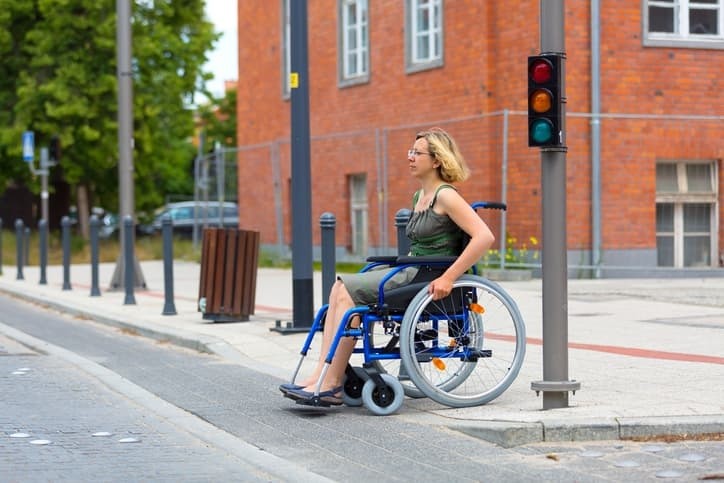
Aimi Hamraie's chapter, "Sloped Technoscience: Curb Cuts, Critical Frictions, and Disability (Maker) Cultures," unfolds with a legendary tale of disability activists in Berkeley, California, who, under the veil of night, allegedly reshaped the city's sidewalks with sledgehammers and concrete to create makeshift curb cuts. This act, whether steeped in reality or myth, has been etched into the annals of U.S. disability activism, symbolizing a pivotal moment where disability was redefined not merely as a medical condition but as a potent social and cultural category.
Symbolism Embodied in Concrete
The curb cut, a modest yet transformative architectural feature, has burgeoned into a profound symbol of accessibility and inclusivity. Initially conceived in the aftermath of World War II to enhance mobility for disabled veterans, the curb cut has transcended its original purpose, serving a myriad of individuals including the elderly, parents with strollers, and cyclists, thereby becoming a beacon of universal design.
Navigating the Intricacies of Inclusion
Hamraie critically dissects the prevailing liberal narrative surrounding curb cuts, which, while championing the ethos of inclusivity, often inadvertently eclipses the multifaceted needs and experiences intrinsic to the disability community. The author introduces us to the concept of "crip technoscience," a paradigm that foregrounds the lived experiences of disabled individuals, challenging and subverting the dominant medical and rehabilitative narratives that have traditionally defined disability.
Materiality and Erasure in Accessibility’s History
The discussion on the materiality of curb cuts offers a rich tapestry of insights and reflections. While curb cuts symbolize seamless integration and accessibility, their historical implementation reveals a tension between assimilationist and anti-assimilationist perspectives within the disability movement. The official incorporation of curb cuts into urban landscapes, such as in Berkeley, inadvertently erased the radical history and material evidence of guerrilla curb-cutting, thereby rewriting and sanitizing the narrative of disability activism.
Reevaluating the Universality of the Curb Cut Metaphor
Hamraie invites us to critically reevaluate the widely accepted metaphor of the curb cut as a panacea for accessibility issues. While it is undeniable that a broad spectrum of society benefits from such design interventions, the metaphor can sometimes obfuscate the specific, nuanced challenges and needs of the disability community. Hamraie advocates for a more nuanced understanding and discourse that acknowledges the diverse experiences within the disability community and values their expertise and agency in sculpting a more inclusive world.
___
In navigating through the slopes of Aimi Hamraie's "Sloped Technoscience," readers are compelled to engage in a profound exploration of the intersections between design, activism, and disability. The chapter challenges us to critically interrogate the narratives we embrace and the histories we commemorate, advocating for a discourse that is as diverse and multifaceted as the experiences it seeks to represent. Hamraie’s work serves as a poignant reminder that true accessibility extends beyond the physical and tangible; it necessitates a profound understanding and appreciation of the varied experiences and needs of the disability community, thereby paving the way towards a genuinely inclusive world.
Aimi Hamraie's chapter, "Sloped Technoscience: Curb Cuts, Critical Frictions, and Disability (Maker) Cultures," unfolds with a legendary tale of disability activists in Berkeley, California, who, under the veil of night, allegedly reshaped the city's sidewalks with sledgehammers and concrete to create makeshift curb cuts. This act, whether steeped in reality or myth, has been etched into the annals of U.S. disability activism, symbolizing a pivotal moment where disability was redefined not merely as a medical condition but as a potent social and cultural category.
Symbolism Embodied in Concrete
The curb cut, a modest yet transformative architectural feature, has burgeoned into a profound symbol of accessibility and inclusivity. Initially conceived in the aftermath of World War II to enhance mobility for disabled veterans, the curb cut has transcended its original purpose, serving a myriad of individuals including the elderly, parents with strollers, and cyclists, thereby becoming a beacon of universal design.
Navigating the Intricacies of Inclusion
Hamraie critically dissects the prevailing liberal narrative surrounding curb cuts, which, while championing the ethos of inclusivity, often inadvertently eclipses the multifaceted needs and experiences intrinsic to the disability community. The author introduces us to the concept of "crip technoscience," a paradigm that foregrounds the lived experiences of disabled individuals, challenging and subverting the dominant medical and rehabilitative narratives that have traditionally defined disability.
Materiality and Erasure in Accessibility’s History
The discussion on the materiality of curb cuts offers a rich tapestry of insights and reflections. While curb cuts symbolize seamless integration and accessibility, their historical implementation reveals a tension between assimilationist and anti-assimilationist perspectives within the disability movement. The official incorporation of curb cuts into urban landscapes, such as in Berkeley, inadvertently erased the radical history and material evidence of guerrilla curb-cutting, thereby rewriting and sanitizing the narrative of disability activism.
Reevaluating the Universality of the Curb Cut Metaphor
Hamraie invites us to critically reevaluate the widely accepted metaphor of the curb cut as a panacea for accessibility issues. While it is undeniable that a broad spectrum of society benefits from such design interventions, the metaphor can sometimes obfuscate the specific, nuanced challenges and needs of the disability community. Hamraie advocates for a more nuanced understanding and discourse that acknowledges the diverse experiences within the disability community and values their expertise and agency in sculpting a more inclusive world.
___
In navigating through the slopes of Aimi Hamraie's "Sloped Technoscience," readers are compelled to engage in a profound exploration of the intersections between design, activism, and disability. The chapter challenges us to critically interrogate the narratives we embrace and the histories we commemorate, advocating for a discourse that is as diverse and multifaceted as the experiences it seeks to represent. Hamraie’s work serves as a poignant reminder that true accessibility extends beyond the physical and tangible; it necessitates a profound understanding and appreciation of the varied experiences and needs of the disability community, thereby paving the way towards a genuinely inclusive world.
Aimi Hamraie's chapter, "Sloped Technoscience: Curb Cuts, Critical Frictions, and Disability (Maker) Cultures," unfolds with a legendary tale of disability activists in Berkeley, California, who, under the veil of night, allegedly reshaped the city's sidewalks with sledgehammers and concrete to create makeshift curb cuts. This act, whether steeped in reality or myth, has been etched into the annals of U.S. disability activism, symbolizing a pivotal moment where disability was redefined not merely as a medical condition but as a potent social and cultural category.
Symbolism Embodied in Concrete
The curb cut, a modest yet transformative architectural feature, has burgeoned into a profound symbol of accessibility and inclusivity. Initially conceived in the aftermath of World War II to enhance mobility for disabled veterans, the curb cut has transcended its original purpose, serving a myriad of individuals including the elderly, parents with strollers, and cyclists, thereby becoming a beacon of universal design.
Navigating the Intricacies of Inclusion
Hamraie critically dissects the prevailing liberal narrative surrounding curb cuts, which, while championing the ethos of inclusivity, often inadvertently eclipses the multifaceted needs and experiences intrinsic to the disability community. The author introduces us to the concept of "crip technoscience," a paradigm that foregrounds the lived experiences of disabled individuals, challenging and subverting the dominant medical and rehabilitative narratives that have traditionally defined disability.
Materiality and Erasure in Accessibility’s History
The discussion on the materiality of curb cuts offers a rich tapestry of insights and reflections. While curb cuts symbolize seamless integration and accessibility, their historical implementation reveals a tension between assimilationist and anti-assimilationist perspectives within the disability movement. The official incorporation of curb cuts into urban landscapes, such as in Berkeley, inadvertently erased the radical history and material evidence of guerrilla curb-cutting, thereby rewriting and sanitizing the narrative of disability activism.
Reevaluating the Universality of the Curb Cut Metaphor
Hamraie invites us to critically reevaluate the widely accepted metaphor of the curb cut as a panacea for accessibility issues. While it is undeniable that a broad spectrum of society benefits from such design interventions, the metaphor can sometimes obfuscate the specific, nuanced challenges and needs of the disability community. Hamraie advocates for a more nuanced understanding and discourse that acknowledges the diverse experiences within the disability community and values their expertise and agency in sculpting a more inclusive world.
___
In navigating through the slopes of Aimi Hamraie's "Sloped Technoscience," readers are compelled to engage in a profound exploration of the intersections between design, activism, and disability. The chapter challenges us to critically interrogate the narratives we embrace and the histories we commemorate, advocating for a discourse that is as diverse and multifaceted as the experiences it seeks to represent. Hamraie’s work serves as a poignant reminder that true accessibility extends beyond the physical and tangible; it necessitates a profound understanding and appreciation of the varied experiences and needs of the disability community, thereby paving the way towards a genuinely inclusive world.