Navigating the Redesign of Disability Symbols in 'Designing Disability
Navigating the Redesign of Disability Symbols in 'Designing Disability
Navigating the Redesign of Disability Symbols in 'Designing Disability
A journey through the evolution and critique of the International Symbol of Access, exploring the dynamic between symbolic representation and societal perceptions of disability, as unfolded in Elizabeth Guffey's "Designing Disability."
A journey through the evolution and critique of the International Symbol of Access, exploring the dynamic between symbolic representation and societal perceptions of disability, as unfolded in Elizabeth Guffey's "Designing Disability."
A journey through the evolution and critique of the International Symbol of Access, exploring the dynamic between symbolic representation and societal perceptions of disability, as unfolded in Elizabeth Guffey's "Designing Disability."
In the chapter “A Critical Design? (1990–Today)” from Elizabeth Guffey’s book "Designing Disability: Symbols, Space, and Society," the evolution of the International Symbol of Access (ISA) is meticulously explored, revealing the complexities and debates surrounding its representation and symbolism in society. The ISA, recognized globally, has been critiqued for its static and passive depiction of disability, prompting discussions and actions towards its redesign to reflect a more dynamic and active image.
Challenging the Established Symbol
Victor Calise, New York’s commissioner of the Mayor’s Office for People with Disabilities, criticized the ISA for its stagnant and passive representation, which he felt suggested that people with disabilities “don’t do much with their lives” (Baskin, 2013). His critique was not isolated, as the ISA, despite its ubiquity following the ratification by the UN in 1974 and the passing of the Americans with Disabilities Act (ADA) in 1990, was perceived by some as increasingly misaligned with the evolving perspectives on disability.
The ISA: A Symbol of Compromises and Tensions
The ISA, while widely recognized and utilized, embodies a series of internal compromises and tensions. It is neither entirely a wheelchair nor fully a human figure, resulting in a symbol that is awkward and, to some extent, misrepresentative. The moves to change or replace the ISA indicate a growing criticality in design and disability circles, reflecting the shifting views on disability and the symbol’s role, meaning, and relevance.
Redesigning for a New Perspective
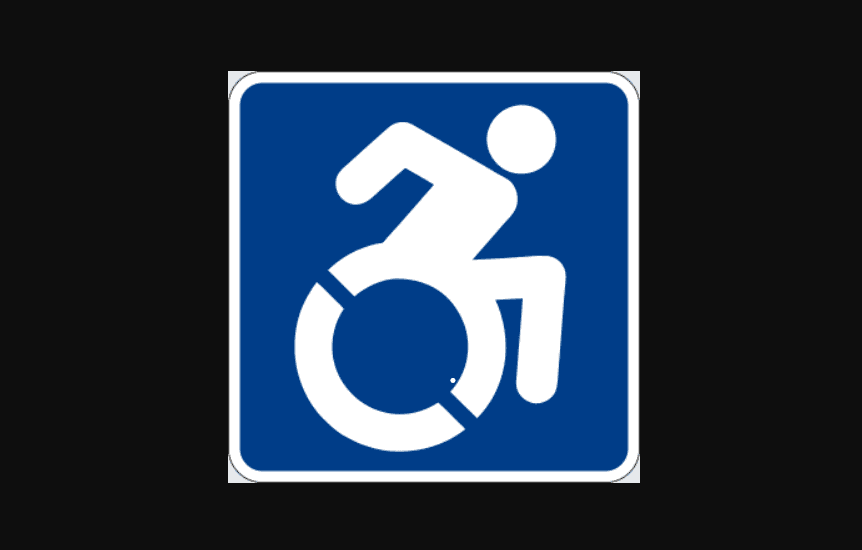
The redesign of the ISA has been a subject of various initiatives and discussions, with different designers and activists proposing new symbols that reflect a more active and dynamic representation of individuals with disabilities. Brendan Murphy, a graphic design student, developed a series of symbols that aimed to align more closely with changing views of disability, actual need, and identity. His redesign separated the figure from its chair and gave it agency, reflecting a broader rethinking of disability and symbolizing an active, independent person.
The Symbol’s Burden and Potential
The ISA, unlike most wayfinding symbols, bears a significant burden. It must be highly functional, symbolic, and representational. The symbol is not only a directional device but also a marker of identity and visibility. The debates and redesign initiatives around it reflect not only the changing views of disability but also the symbol’s potent role in shaping perceptions and narratives around disability and accessibility.
___
Guffey’s exploration of the ISA and its redesign initiatives opens a window into the broader discussions and tensions within the disability community and design world. The symbol, while a mere representation, carries with it the weight of societal perceptions, narratives, and ideologies related to disability. The ongoing discussions and redesign initiatives reflect a collective endeavor to reimagine disability, moving beyond stagnant symbols to a representation that is dynamic, active, and more reflective of the diverse experiences within the disability community. This chapter prompts us to consider how symbols, while seemingly simple, can be potent in shaping societal narratives and perceptions, and how a redesign can be a step towards reshaping those narratives towards inclusivity and dynamism.
In the chapter “A Critical Design? (1990–Today)” from Elizabeth Guffey’s book "Designing Disability: Symbols, Space, and Society," the evolution of the International Symbol of Access (ISA) is meticulously explored, revealing the complexities and debates surrounding its representation and symbolism in society. The ISA, recognized globally, has been critiqued for its static and passive depiction of disability, prompting discussions and actions towards its redesign to reflect a more dynamic and active image.
Challenging the Established Symbol
Victor Calise, New York’s commissioner of the Mayor’s Office for People with Disabilities, criticized the ISA for its stagnant and passive representation, which he felt suggested that people with disabilities “don’t do much with their lives” (Baskin, 2013). His critique was not isolated, as the ISA, despite its ubiquity following the ratification by the UN in 1974 and the passing of the Americans with Disabilities Act (ADA) in 1990, was perceived by some as increasingly misaligned with the evolving perspectives on disability.
The ISA: A Symbol of Compromises and Tensions
The ISA, while widely recognized and utilized, embodies a series of internal compromises and tensions. It is neither entirely a wheelchair nor fully a human figure, resulting in a symbol that is awkward and, to some extent, misrepresentative. The moves to change or replace the ISA indicate a growing criticality in design and disability circles, reflecting the shifting views on disability and the symbol’s role, meaning, and relevance.
Redesigning for a New Perspective
The redesign of the ISA has been a subject of various initiatives and discussions, with different designers and activists proposing new symbols that reflect a more active and dynamic representation of individuals with disabilities. Brendan Murphy, a graphic design student, developed a series of symbols that aimed to align more closely with changing views of disability, actual need, and identity. His redesign separated the figure from its chair and gave it agency, reflecting a broader rethinking of disability and symbolizing an active, independent person.
The Symbol’s Burden and Potential
The ISA, unlike most wayfinding symbols, bears a significant burden. It must be highly functional, symbolic, and representational. The symbol is not only a directional device but also a marker of identity and visibility. The debates and redesign initiatives around it reflect not only the changing views of disability but also the symbol’s potent role in shaping perceptions and narratives around disability and accessibility.
___
Guffey’s exploration of the ISA and its redesign initiatives opens a window into the broader discussions and tensions within the disability community and design world. The symbol, while a mere representation, carries with it the weight of societal perceptions, narratives, and ideologies related to disability. The ongoing discussions and redesign initiatives reflect a collective endeavor to reimagine disability, moving beyond stagnant symbols to a representation that is dynamic, active, and more reflective of the diverse experiences within the disability community. This chapter prompts us to consider how symbols, while seemingly simple, can be potent in shaping societal narratives and perceptions, and how a redesign can be a step towards reshaping those narratives towards inclusivity and dynamism.
In the chapter “A Critical Design? (1990–Today)” from Elizabeth Guffey’s book "Designing Disability: Symbols, Space, and Society," the evolution of the International Symbol of Access (ISA) is meticulously explored, revealing the complexities and debates surrounding its representation and symbolism in society. The ISA, recognized globally, has been critiqued for its static and passive depiction of disability, prompting discussions and actions towards its redesign to reflect a more dynamic and active image.
Challenging the Established Symbol
Victor Calise, New York’s commissioner of the Mayor’s Office for People with Disabilities, criticized the ISA for its stagnant and passive representation, which he felt suggested that people with disabilities “don’t do much with their lives” (Baskin, 2013). His critique was not isolated, as the ISA, despite its ubiquity following the ratification by the UN in 1974 and the passing of the Americans with Disabilities Act (ADA) in 1990, was perceived by some as increasingly misaligned with the evolving perspectives on disability.
The ISA: A Symbol of Compromises and Tensions
The ISA, while widely recognized and utilized, embodies a series of internal compromises and tensions. It is neither entirely a wheelchair nor fully a human figure, resulting in a symbol that is awkward and, to some extent, misrepresentative. The moves to change or replace the ISA indicate a growing criticality in design and disability circles, reflecting the shifting views on disability and the symbol’s role, meaning, and relevance.
Redesigning for a New Perspective
The redesign of the ISA has been a subject of various initiatives and discussions, with different designers and activists proposing new symbols that reflect a more active and dynamic representation of individuals with disabilities. Brendan Murphy, a graphic design student, developed a series of symbols that aimed to align more closely with changing views of disability, actual need, and identity. His redesign separated the figure from its chair and gave it agency, reflecting a broader rethinking of disability and symbolizing an active, independent person.
The Symbol’s Burden and Potential
The ISA, unlike most wayfinding symbols, bears a significant burden. It must be highly functional, symbolic, and representational. The symbol is not only a directional device but also a marker of identity and visibility. The debates and redesign initiatives around it reflect not only the changing views of disability but also the symbol’s potent role in shaping perceptions and narratives around disability and accessibility.
___
Guffey’s exploration of the ISA and its redesign initiatives opens a window into the broader discussions and tensions within the disability community and design world. The symbol, while a mere representation, carries with it the weight of societal perceptions, narratives, and ideologies related to disability. The ongoing discussions and redesign initiatives reflect a collective endeavor to reimagine disability, moving beyond stagnant symbols to a representation that is dynamic, active, and more reflective of the diverse experiences within the disability community. This chapter prompts us to consider how symbols, while seemingly simple, can be potent in shaping societal narratives and perceptions, and how a redesign can be a step towards reshaping those narratives towards inclusivity and dynamism.