Judy Heumann: The Wheelchair Warrior who Redefined Disability
Judy Heumann: The Wheelchair Warrior who Redefined Disability
Judy Heumann: The Wheelchair Warrior who Redefined Disability
The life of Judy Heumann, a fierce activist whose relentless pursuit of equality reshaped perceptions of disability worldwide.
The life of Judy Heumann, a fierce activist whose relentless pursuit of equality reshaped perceptions of disability worldwide.
The life of Judy Heumann, a fierce activist whose relentless pursuit of equality reshaped perceptions of disability worldwide.
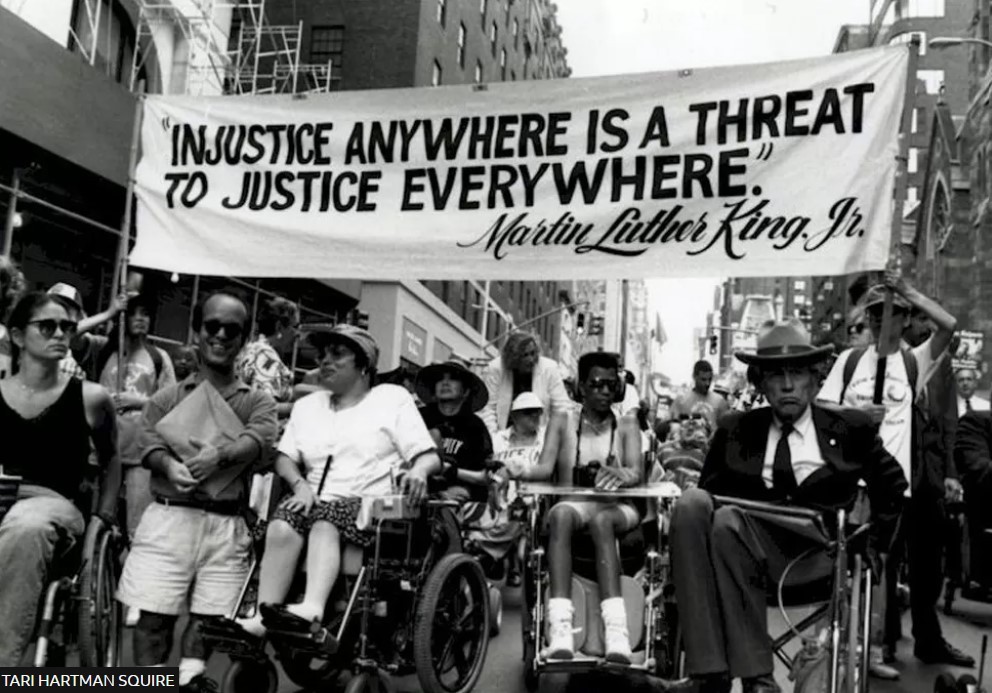
After diving into the riveting account of Judy Heumann's life, her activism, and her ceaseless pursuit of equality for people with disabilities, I am left inspired, humbled, and grateful for the powerful voices that continue to shape the course of history. Judy's story, beautifully narrated by Lucy Wallis, not only captures the essence of what it means to be a relentless activist but also provides a lens into the struggles, stereotypes, and biases that people with disabilities have faced, and continue to face, worldwide. Her activism is a testament to how perseverance, unity, and the simple act of raising one’s voice against injustice can bring about monumental changes.
From her childhood experiences of being seen as "different" and "sick", Judy's journey is a poignant reminder of how society often confines individuals based on preconceived notions. It's intriguing how a seemingly insignificant question from a young boy could spark a lifelong pursuit of changing the narrative around disabilities. Judy's parents, survivors of the Holocaust, instilled in her the importance of fighting against any form of discrimination. Their mealtime discussions, a stark contrast to the typical "chitty chatty" family dinners, sowed the seeds of activism and critical thinking in Judy from a young age. They exemplify how a supportive family can truly empower an individual to tackle even the most deeply entrenched societal biases.
One of the most striking aspects of this story is Judy's sit-in at the Health, Education and Welfare building. It epitomizes the power of community, resilience, and collective determination. For 24 days, people from various backgrounds and disabilities came together, supported one another, and overcame the challenges of their environment. Their unity ultimately led to the signing of Section 504, a landmark in the fight for disability rights.
While Judy's achievements are numerous and commendable, what resonates most is her underlying message: the importance of understanding and empathy. From a doctor's inappropriate question during a medical exam to the misunderstandings she encountered during her advocacy, Judy's experiences underline the need for genuine engagement and a desire to comprehend the lives and struggles of others.
Judy's story also emphasizes the ripple effect of advocacy. The laws she fought for, like the Americans with Disabilities Act (ADA) and Section 504, laid the foundation for many of the rights and privileges that people with disabilities enjoy today. Her contribution to the disability rights movement has undeniably paved the way for future generations.
As a beacon of hope and resilience for countless individuals, her departure leaves a void in the global disability rights movement. Judy's unwavering commitment to justice was not just evident in her historic sit-ins and advocacy work, but also in her roles within the Clinton and Obama administrations, her authored memoirs, and her feature in the Oscar-nominated documentary "Crip Camp: A Disability Revolution." Former President Barack Obama's tribute to her lifelong dedication is a testament to her vast influence and unparalleled legacy. As we remember and honor Judy Heumann, her words remind us that disability is not the tragedy; society's failure to recognize and accommodate it is. Her life serves as a powerful testament that, even in her absence, will continue to inspire and guide countless advocates and allies around the world.
After diving into the riveting account of Judy Heumann's life, her activism, and her ceaseless pursuit of equality for people with disabilities, I am left inspired, humbled, and grateful for the powerful voices that continue to shape the course of history. Judy's story, beautifully narrated by Lucy Wallis, not only captures the essence of what it means to be a relentless activist but also provides a lens into the struggles, stereotypes, and biases that people with disabilities have faced, and continue to face, worldwide. Her activism is a testament to how perseverance, unity, and the simple act of raising one’s voice against injustice can bring about monumental changes.
From her childhood experiences of being seen as "different" and "sick", Judy's journey is a poignant reminder of how society often confines individuals based on preconceived notions. It's intriguing how a seemingly insignificant question from a young boy could spark a lifelong pursuit of changing the narrative around disabilities. Judy's parents, survivors of the Holocaust, instilled in her the importance of fighting against any form of discrimination. Their mealtime discussions, a stark contrast to the typical "chitty chatty" family dinners, sowed the seeds of activism and critical thinking in Judy from a young age. They exemplify how a supportive family can truly empower an individual to tackle even the most deeply entrenched societal biases.
One of the most striking aspects of this story is Judy's sit-in at the Health, Education and Welfare building. It epitomizes the power of community, resilience, and collective determination. For 24 days, people from various backgrounds and disabilities came together, supported one another, and overcame the challenges of their environment. Their unity ultimately led to the signing of Section 504, a landmark in the fight for disability rights.
While Judy's achievements are numerous and commendable, what resonates most is her underlying message: the importance of understanding and empathy. From a doctor's inappropriate question during a medical exam to the misunderstandings she encountered during her advocacy, Judy's experiences underline the need for genuine engagement and a desire to comprehend the lives and struggles of others.
Judy's story also emphasizes the ripple effect of advocacy. The laws she fought for, like the Americans with Disabilities Act (ADA) and Section 504, laid the foundation for many of the rights and privileges that people with disabilities enjoy today. Her contribution to the disability rights movement has undeniably paved the way for future generations.
As a beacon of hope and resilience for countless individuals, her departure leaves a void in the global disability rights movement. Judy's unwavering commitment to justice was not just evident in her historic sit-ins and advocacy work, but also in her roles within the Clinton and Obama administrations, her authored memoirs, and her feature in the Oscar-nominated documentary "Crip Camp: A Disability Revolution." Former President Barack Obama's tribute to her lifelong dedication is a testament to her vast influence and unparalleled legacy. As we remember and honor Judy Heumann, her words remind us that disability is not the tragedy; society's failure to recognize and accommodate it is. Her life serves as a powerful testament that, even in her absence, will continue to inspire and guide countless advocates and allies around the world.
After diving into the riveting account of Judy Heumann's life, her activism, and her ceaseless pursuit of equality for people with disabilities, I am left inspired, humbled, and grateful for the powerful voices that continue to shape the course of history. Judy's story, beautifully narrated by Lucy Wallis, not only captures the essence of what it means to be a relentless activist but also provides a lens into the struggles, stereotypes, and biases that people with disabilities have faced, and continue to face, worldwide. Her activism is a testament to how perseverance, unity, and the simple act of raising one’s voice against injustice can bring about monumental changes.
From her childhood experiences of being seen as "different" and "sick", Judy's journey is a poignant reminder of how society often confines individuals based on preconceived notions. It's intriguing how a seemingly insignificant question from a young boy could spark a lifelong pursuit of changing the narrative around disabilities. Judy's parents, survivors of the Holocaust, instilled in her the importance of fighting against any form of discrimination. Their mealtime discussions, a stark contrast to the typical "chitty chatty" family dinners, sowed the seeds of activism and critical thinking in Judy from a young age. They exemplify how a supportive family can truly empower an individual to tackle even the most deeply entrenched societal biases.
One of the most striking aspects of this story is Judy's sit-in at the Health, Education and Welfare building. It epitomizes the power of community, resilience, and collective determination. For 24 days, people from various backgrounds and disabilities came together, supported one another, and overcame the challenges of their environment. Their unity ultimately led to the signing of Section 504, a landmark in the fight for disability rights.
While Judy's achievements are numerous and commendable, what resonates most is her underlying message: the importance of understanding and empathy. From a doctor's inappropriate question during a medical exam to the misunderstandings she encountered during her advocacy, Judy's experiences underline the need for genuine engagement and a desire to comprehend the lives and struggles of others.
Judy's story also emphasizes the ripple effect of advocacy. The laws she fought for, like the Americans with Disabilities Act (ADA) and Section 504, laid the foundation for many of the rights and privileges that people with disabilities enjoy today. Her contribution to the disability rights movement has undeniably paved the way for future generations.
As a beacon of hope and resilience for countless individuals, her departure leaves a void in the global disability rights movement. Judy's unwavering commitment to justice was not just evident in her historic sit-ins and advocacy work, but also in her roles within the Clinton and Obama administrations, her authored memoirs, and her feature in the Oscar-nominated documentary "Crip Camp: A Disability Revolution." Former President Barack Obama's tribute to her lifelong dedication is a testament to her vast influence and unparalleled legacy. As we remember and honor Judy Heumann, her words remind us that disability is not the tragedy; society's failure to recognize and accommodate it is. Her life serves as a powerful testament that, even in her absence, will continue to inspire and guide countless advocates and allies around the world.