How to Treat a Person with Disabilities, According to People with Disabilities: A Blog Review
How to Treat a Person with Disabilities, According to People with Disabilities: A Blog Review
How to Treat a Person with Disabilities, According to People with Disabilities: A Blog Review
A candid conversation with Emily, Wendy, and Ryan dismantles societal taboos and assumptions surrounding disability, emphasizing the importance of respectful engagement and the right to independence.
A candid conversation with Emily, Wendy, and Ryan dismantles societal taboos and assumptions surrounding disability, emphasizing the importance of respectful engagement and the right to independence.
A candid conversation with Emily, Wendy, and Ryan dismantles societal taboos and assumptions surrounding disability, emphasizing the importance of respectful engagement and the right to independence.
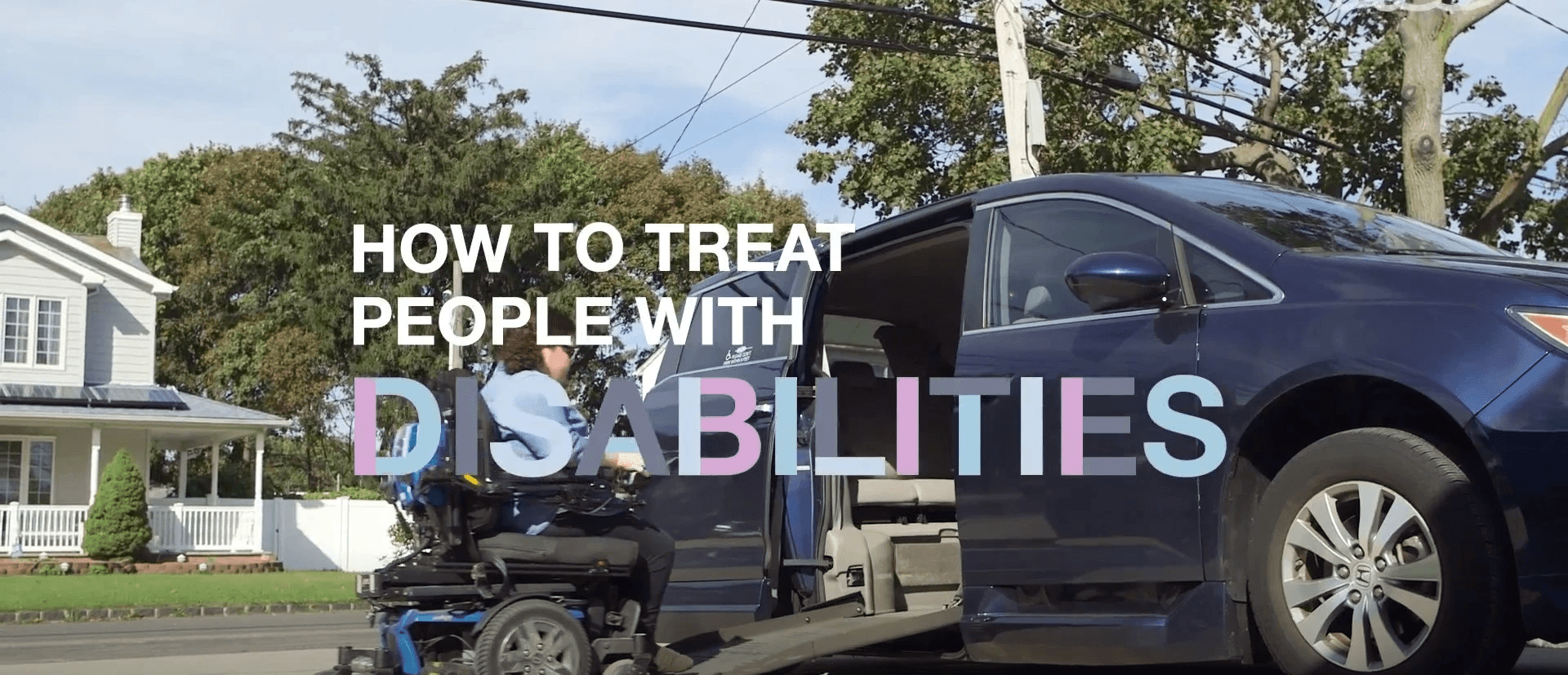
When it comes to discussing disabilities, societal norms often create an environment fraught with misunderstandings, assumptions, and sometimes, outright disrespect. The talk on Vice tackles these issues head-on, featuring three individuals—Emily, Wendy, and Ryan—who themselves have disabilities. Their insights and perspectives offer a much-needed reality check for those looking to better understand how to interact with people with disabilities.
The Taboo Surrounding Disability
One of the most striking aspects of the talk was the exploration of the social taboo associated with disability. Society tends to view disabled people as "less than," and this bias manifests in numerous ways. For example, many people are hesitant to even use the word "disability," as if its mere utterance is a mark of disrespect. This hesitation reflects a larger issue: society's discomfort with disability, which is rooted in stereotypes and prejudices that we need to confront and unlearn.
The Assumptions We Make
Another intriguing point the speakers raised concerns the assumptions people make about individuals with disabilities. Whether it's patronizing attitudes or the notion that they "know better," these assumptions can be both harmful and disempowering. For instance, using terms like "differently-abled" may seem like a respectful alternative, but according to the speakers, it can inadvertently erase a significant part of a person's identity.
The Dilemma of "Helping"
The speakers also touched on the well-intentioned but often misplaced desire to assist individuals with disabilities. While the intent is generally noble, these actions can sometimes undermine the independence of the person they're trying to help. One golden rule that all three speakers emphasized is to always ask before providing assistance. This not only respects the individual's autonomy but also allows them to inform you of how you can actually be of help, if at all.
—
This enlightening talk serves as a comprehensive guide for how to better treat and understand people with disabilities. It calls upon us to confront our biases, question our assumptions, and most importantly, listen to those who experience these challenges firsthand.
When it comes to discussing disabilities, societal norms often create an environment fraught with misunderstandings, assumptions, and sometimes, outright disrespect. The talk on Vice tackles these issues head-on, featuring three individuals—Emily, Wendy, and Ryan—who themselves have disabilities. Their insights and perspectives offer a much-needed reality check for those looking to better understand how to interact with people with disabilities.
The Taboo Surrounding Disability
One of the most striking aspects of the talk was the exploration of the social taboo associated with disability. Society tends to view disabled people as "less than," and this bias manifests in numerous ways. For example, many people are hesitant to even use the word "disability," as if its mere utterance is a mark of disrespect. This hesitation reflects a larger issue: society's discomfort with disability, which is rooted in stereotypes and prejudices that we need to confront and unlearn.
The Assumptions We Make
Another intriguing point the speakers raised concerns the assumptions people make about individuals with disabilities. Whether it's patronizing attitudes or the notion that they "know better," these assumptions can be both harmful and disempowering. For instance, using terms like "differently-abled" may seem like a respectful alternative, but according to the speakers, it can inadvertently erase a significant part of a person's identity.
The Dilemma of "Helping"
The speakers also touched on the well-intentioned but often misplaced desire to assist individuals with disabilities. While the intent is generally noble, these actions can sometimes undermine the independence of the person they're trying to help. One golden rule that all three speakers emphasized is to always ask before providing assistance. This not only respects the individual's autonomy but also allows them to inform you of how you can actually be of help, if at all.
—
This enlightening talk serves as a comprehensive guide for how to better treat and understand people with disabilities. It calls upon us to confront our biases, question our assumptions, and most importantly, listen to those who experience these challenges firsthand.
When it comes to discussing disabilities, societal norms often create an environment fraught with misunderstandings, assumptions, and sometimes, outright disrespect. The talk on Vice tackles these issues head-on, featuring three individuals—Emily, Wendy, and Ryan—who themselves have disabilities. Their insights and perspectives offer a much-needed reality check for those looking to better understand how to interact with people with disabilities.
The Taboo Surrounding Disability
One of the most striking aspects of the talk was the exploration of the social taboo associated with disability. Society tends to view disabled people as "less than," and this bias manifests in numerous ways. For example, many people are hesitant to even use the word "disability," as if its mere utterance is a mark of disrespect. This hesitation reflects a larger issue: society's discomfort with disability, which is rooted in stereotypes and prejudices that we need to confront and unlearn.
The Assumptions We Make
Another intriguing point the speakers raised concerns the assumptions people make about individuals with disabilities. Whether it's patronizing attitudes or the notion that they "know better," these assumptions can be both harmful and disempowering. For instance, using terms like "differently-abled" may seem like a respectful alternative, but according to the speakers, it can inadvertently erase a significant part of a person's identity.
The Dilemma of "Helping"
The speakers also touched on the well-intentioned but often misplaced desire to assist individuals with disabilities. While the intent is generally noble, these actions can sometimes undermine the independence of the person they're trying to help. One golden rule that all three speakers emphasized is to always ask before providing assistance. This not only respects the individual's autonomy but also allows them to inform you of how you can actually be of help, if at all.
—
This enlightening talk serves as a comprehensive guide for how to better treat and understand people with disabilities. It calls upon us to confront our biases, question our assumptions, and most importantly, listen to those who experience these challenges firsthand.