Design Meets Disability: Bridging Aesthetics and Inclusivity
Design Meets Disability: Bridging Aesthetics and Inclusivity
Design Meets Disability: Bridging Aesthetics and Inclusivity
Exploring the transformative intersection of design and disability, the book challenges conventional aesthetics to champion inclusivity and user-centric innovation.
Exploring the transformative intersection of design and disability, the book challenges conventional aesthetics to champion inclusivity and user-centric innovation.
Exploring the transformative intersection of design and disability, the book challenges conventional aesthetics to champion inclusivity and user-centric innovation.
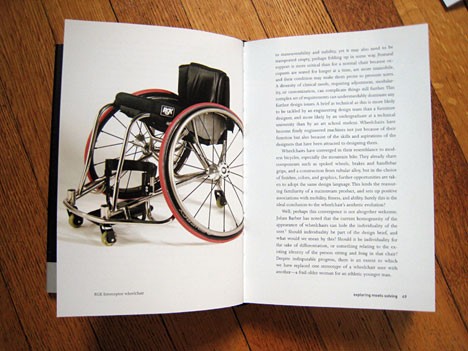
When we think of design, our minds often drift to aesthetics, functionality, and innovation. But how often do we consider inclusivity? The chapters from "Design Meets Disability" offer a profound insight into this very intersection, challenging the norms of design thinking.
Understanding the User Experience
One of the standout lessons from the book is the emphasis on the user experience. It's not always about adding more features or making things look pretty. Sometimes, it's about what we choose to omit. The book suggests that if omitting a feature enhances the overall user experience, then that's the path to take. It's a refreshing perspective, advocating for designs that cater to the entire population through diverse yet uncomplicated alternatives.
Beyond Abilities: Recognizing Individuality
A significant pitfall in design for disability is the risk of defining people solely by their abilities. It's a narrow viewpoint, one that the book argues against passionately. Recognizing needs arising from disabilities is crucial, but so is understanding that individuals with the same disability can have varied tastes, values, and priorities. The book's chapters shed light on the fact that design for disability has often leaned more towards the clinical side than the cultural, offering one-size-fits-all solutions.
The Power of Resonant Design
In the vast landscape of design principles, the concept of "resonant design" stands out as a particularly intriguing notion. At its core, resonant design seeks to bridge the gap between specialized designs tailored for specific disabilities and those intended for the general population. Rather than creating products or solutions that exclusively cater to the able-bodied or are narrowly focused on a particular disability, resonant design finds a harmonious middle ground. It acknowledges the diverse needs of individuals with disabilities while also recognizing that certain design elements can benefit a broader audience in specific situations. This approach not only broadens the potential user base for a product but also fosters a more inclusive design ethos, ensuring that no one is left behind or pigeonholed based on their abilities.
__
"Design Meets Disability" isn't just a book; it's a movement. A call to designers everywhere to think beyond aesthetics and functionality. To embrace inclusivity, understand diverse needs, and create products that resonate with everyone. As we champion the cause of inclusive design, we take a step closer to making the world a more accessible place for all.
When we think of design, our minds often drift to aesthetics, functionality, and innovation. But how often do we consider inclusivity? The chapters from "Design Meets Disability" offer a profound insight into this very intersection, challenging the norms of design thinking.
Understanding the User Experience
One of the standout lessons from the book is the emphasis on the user experience. It's not always about adding more features or making things look pretty. Sometimes, it's about what we choose to omit. The book suggests that if omitting a feature enhances the overall user experience, then that's the path to take. It's a refreshing perspective, advocating for designs that cater to the entire population through diverse yet uncomplicated alternatives.
Beyond Abilities: Recognizing Individuality
A significant pitfall in design for disability is the risk of defining people solely by their abilities. It's a narrow viewpoint, one that the book argues against passionately. Recognizing needs arising from disabilities is crucial, but so is understanding that individuals with the same disability can have varied tastes, values, and priorities. The book's chapters shed light on the fact that design for disability has often leaned more towards the clinical side than the cultural, offering one-size-fits-all solutions.
The Power of Resonant Design
In the vast landscape of design principles, the concept of "resonant design" stands out as a particularly intriguing notion. At its core, resonant design seeks to bridge the gap between specialized designs tailored for specific disabilities and those intended for the general population. Rather than creating products or solutions that exclusively cater to the able-bodied or are narrowly focused on a particular disability, resonant design finds a harmonious middle ground. It acknowledges the diverse needs of individuals with disabilities while also recognizing that certain design elements can benefit a broader audience in specific situations. This approach not only broadens the potential user base for a product but also fosters a more inclusive design ethos, ensuring that no one is left behind or pigeonholed based on their abilities.
__
"Design Meets Disability" isn't just a book; it's a movement. A call to designers everywhere to think beyond aesthetics and functionality. To embrace inclusivity, understand diverse needs, and create products that resonate with everyone. As we champion the cause of inclusive design, we take a step closer to making the world a more accessible place for all.
When we think of design, our minds often drift to aesthetics, functionality, and innovation. But how often do we consider inclusivity? The chapters from "Design Meets Disability" offer a profound insight into this very intersection, challenging the norms of design thinking.
Understanding the User Experience
One of the standout lessons from the book is the emphasis on the user experience. It's not always about adding more features or making things look pretty. Sometimes, it's about what we choose to omit. The book suggests that if omitting a feature enhances the overall user experience, then that's the path to take. It's a refreshing perspective, advocating for designs that cater to the entire population through diverse yet uncomplicated alternatives.
Beyond Abilities: Recognizing Individuality
A significant pitfall in design for disability is the risk of defining people solely by their abilities. It's a narrow viewpoint, one that the book argues against passionately. Recognizing needs arising from disabilities is crucial, but so is understanding that individuals with the same disability can have varied tastes, values, and priorities. The book's chapters shed light on the fact that design for disability has often leaned more towards the clinical side than the cultural, offering one-size-fits-all solutions.
The Power of Resonant Design
In the vast landscape of design principles, the concept of "resonant design" stands out as a particularly intriguing notion. At its core, resonant design seeks to bridge the gap between specialized designs tailored for specific disabilities and those intended for the general population. Rather than creating products or solutions that exclusively cater to the able-bodied or are narrowly focused on a particular disability, resonant design finds a harmonious middle ground. It acknowledges the diverse needs of individuals with disabilities while also recognizing that certain design elements can benefit a broader audience in specific situations. This approach not only broadens the potential user base for a product but also fosters a more inclusive design ethos, ensuring that no one is left behind or pigeonholed based on their abilities.
__
"Design Meets Disability" isn't just a book; it's a movement. A call to designers everywhere to think beyond aesthetics and functionality. To embrace inclusivity, understand diverse needs, and create products that resonate with everyone. As we champion the cause of inclusive design, we take a step closer to making the world a more accessible place for all.