Air Travel's Uphill Battle: Wheelchair Users' Unspoken Turbulence
Air Travel's Uphill Battle: Wheelchair Users' Unspoken Turbulence
Air Travel's Uphill Battle: Wheelchair Users' Unspoken Turbulence
An illuminating dive into the myriad challenges faced by wheelchair users during air travel, as told through Charles Brown's personal experiences and advocacy.
An illuminating dive into the myriad challenges faced by wheelchair users during air travel, as told through Charles Brown's personal experiences and advocacy.
An illuminating dive into the myriad challenges faced by wheelchair users during air travel, as told through Charles Brown's personal experiences and advocacy.
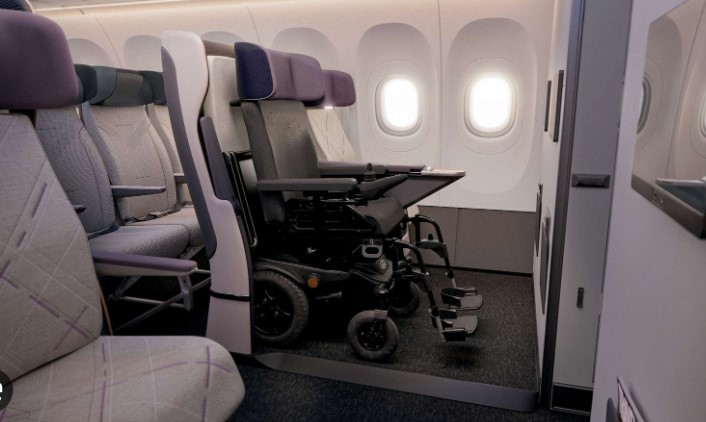
The narrative spun in "Embarrassing, Uncomfortable and Risky: What Flying Is Like for Passengers Who Use Wheelchairs" is not just an account of an individual's experience but a glaring spotlight on an overlooked issue prevalent in modern air travel. Through Charles Brown's journey as both an aviation aficionado and an unyielding advocate for disabled rights, we confront a turbulent reality that passengers with disabilities wrestle with each time they board a flight.
Arguably the most harrowing facet of Mr. Brown's aviation ordeals is the imminent physical danger. The gravity of the situation deepens when we learn of incidents where he sustained a concussion during a landing or when airline personnel dropped him, leading to dire injuries. These aren't just isolated incidents but glaring evidence pointing to the dire need for an overhaul in airline protocols, ensuring the safety and sanctity of passengers with disabilities.
Furthering the discourse, the article unearths the alarmingly commonplace problem of airlines either misplacing or damaging wheelchairs. For the uninitiated, this might seem like a mere inconvenience. However, for someone whose mobility hinges on their wheelchair, such incidents can spiral into severe health repercussions. Herein lies an undeniable onus on airline operators to exhibit greater accountability and diligence.
Mr. Brown's chronicle offers us more than just tales of adversity. It systematically breaks down the accessibility impediments peppered throughout the flying experience — from the initiation of check-in procedures to disembarking upon arrival. The litany of challenges, including inefficient transfer systems, ill-equipped restroom facilities, and enduring physical discomfort mid-flight, stand as testaments to the pressing reforms required in both airline procedures and airport infrastructure.
Intriguingly, the article references the Department of Transportation's bill of rights earmarked for passengers with disabilities. Yet, it also underscores its inadequacy in amplifying the legal onus on airlines. The pressing question that emerges is: Are mere guidelines enough? The compelling narrative nudges us towards the answer – a clarion call for rigorous regulations backed by staunch enforcement.
To encapsulate, the vivid narratives woven in "Embarrassing, Uncomfortable and Risky: What Flying Is Like for Passengers Who Use Wheelchairs" offer more than just anecdotes. They are potent rallying cries spotlighting the urgency for revamping air travel paradigms, ensuring it's attuned to the needs of every passenger, regardless of physical ability. Through the prism of Charles Brown's experiences, we discern the compelling imperative for ushering in an era of inclusivity in the skies.
The narrative spun in "Embarrassing, Uncomfortable and Risky: What Flying Is Like for Passengers Who Use Wheelchairs" is not just an account of an individual's experience but a glaring spotlight on an overlooked issue prevalent in modern air travel. Through Charles Brown's journey as both an aviation aficionado and an unyielding advocate for disabled rights, we confront a turbulent reality that passengers with disabilities wrestle with each time they board a flight.
Arguably the most harrowing facet of Mr. Brown's aviation ordeals is the imminent physical danger. The gravity of the situation deepens when we learn of incidents where he sustained a concussion during a landing or when airline personnel dropped him, leading to dire injuries. These aren't just isolated incidents but glaring evidence pointing to the dire need for an overhaul in airline protocols, ensuring the safety and sanctity of passengers with disabilities.
Furthering the discourse, the article unearths the alarmingly commonplace problem of airlines either misplacing or damaging wheelchairs. For the uninitiated, this might seem like a mere inconvenience. However, for someone whose mobility hinges on their wheelchair, such incidents can spiral into severe health repercussions. Herein lies an undeniable onus on airline operators to exhibit greater accountability and diligence.
Mr. Brown's chronicle offers us more than just tales of adversity. It systematically breaks down the accessibility impediments peppered throughout the flying experience — from the initiation of check-in procedures to disembarking upon arrival. The litany of challenges, including inefficient transfer systems, ill-equipped restroom facilities, and enduring physical discomfort mid-flight, stand as testaments to the pressing reforms required in both airline procedures and airport infrastructure.
Intriguingly, the article references the Department of Transportation's bill of rights earmarked for passengers with disabilities. Yet, it also underscores its inadequacy in amplifying the legal onus on airlines. The pressing question that emerges is: Are mere guidelines enough? The compelling narrative nudges us towards the answer – a clarion call for rigorous regulations backed by staunch enforcement.
To encapsulate, the vivid narratives woven in "Embarrassing, Uncomfortable and Risky: What Flying Is Like for Passengers Who Use Wheelchairs" offer more than just anecdotes. They are potent rallying cries spotlighting the urgency for revamping air travel paradigms, ensuring it's attuned to the needs of every passenger, regardless of physical ability. Through the prism of Charles Brown's experiences, we discern the compelling imperative for ushering in an era of inclusivity in the skies.
The narrative spun in "Embarrassing, Uncomfortable and Risky: What Flying Is Like for Passengers Who Use Wheelchairs" is not just an account of an individual's experience but a glaring spotlight on an overlooked issue prevalent in modern air travel. Through Charles Brown's journey as both an aviation aficionado and an unyielding advocate for disabled rights, we confront a turbulent reality that passengers with disabilities wrestle with each time they board a flight.
Arguably the most harrowing facet of Mr. Brown's aviation ordeals is the imminent physical danger. The gravity of the situation deepens when we learn of incidents where he sustained a concussion during a landing or when airline personnel dropped him, leading to dire injuries. These aren't just isolated incidents but glaring evidence pointing to the dire need for an overhaul in airline protocols, ensuring the safety and sanctity of passengers with disabilities.
Furthering the discourse, the article unearths the alarmingly commonplace problem of airlines either misplacing or damaging wheelchairs. For the uninitiated, this might seem like a mere inconvenience. However, for someone whose mobility hinges on their wheelchair, such incidents can spiral into severe health repercussions. Herein lies an undeniable onus on airline operators to exhibit greater accountability and diligence.
Mr. Brown's chronicle offers us more than just tales of adversity. It systematically breaks down the accessibility impediments peppered throughout the flying experience — from the initiation of check-in procedures to disembarking upon arrival. The litany of challenges, including inefficient transfer systems, ill-equipped restroom facilities, and enduring physical discomfort mid-flight, stand as testaments to the pressing reforms required in both airline procedures and airport infrastructure.
Intriguingly, the article references the Department of Transportation's bill of rights earmarked for passengers with disabilities. Yet, it also underscores its inadequacy in amplifying the legal onus on airlines. The pressing question that emerges is: Are mere guidelines enough? The compelling narrative nudges us towards the answer – a clarion call for rigorous regulations backed by staunch enforcement.
To encapsulate, the vivid narratives woven in "Embarrassing, Uncomfortable and Risky: What Flying Is Like for Passengers Who Use Wheelchairs" offer more than just anecdotes. They are potent rallying cries spotlighting the urgency for revamping air travel paradigms, ensuring it's attuned to the needs of every passenger, regardless of physical ability. Through the prism of Charles Brown's experiences, we discern the compelling imperative for ushering in an era of inclusivity in the skies.