Adapting a Stackable Toy - Project Progress #2
Adapting a Stackable Toy - Project Progress #2
Adapting a Stackable Toy - Project Progress #2
This week, we refined our magnet choices and 3D modeled larger, graspable shapes for our inclusive stacking toy design.
This week, we refined our magnet choices and 3D modeled larger, graspable shapes for our inclusive stacking toy design.
This week, we refined our magnet choices and 3D modeled larger, graspable shapes for our inclusive stacking toy design.

Group: Jaden, Swostik, Ru
The journey towards our vision of crafting a more inclusive stacking toy for children with special needs advanced significantly this week. With insights garnered from our preliminary prototyping phase, we embarked on refining our designs and zeroing in on the final materials and shape specifics.
Magnets:
Central to our toy's design is the magnet mechanism. After an exhaustive research phase, we've landed on two types of magnets that fit our design objectives:
Small Round Magnets: These will be embedded within each stackable. Their size allows for easy incorporation into the toy without making it bulky, while their strength ensures they can hold and lift the toy component as desired.
Long Strip Magnet: This will be placed inside the dowel at the center. Our hypothesis is that a strip magnet would produce a stronger magnetic field, allowing the stackables to snap into place more effortlessly, while also ensuring easy detachment. This design choice aims to reduce any potential frustration and maximize the joy of play.
Shape Innovations:
Moving beyond traditional stacking toy designs, our objective was clear – make the shapes bigger, lighter, and with sharp, defined edges to assist children who grapple with fine motor skills.
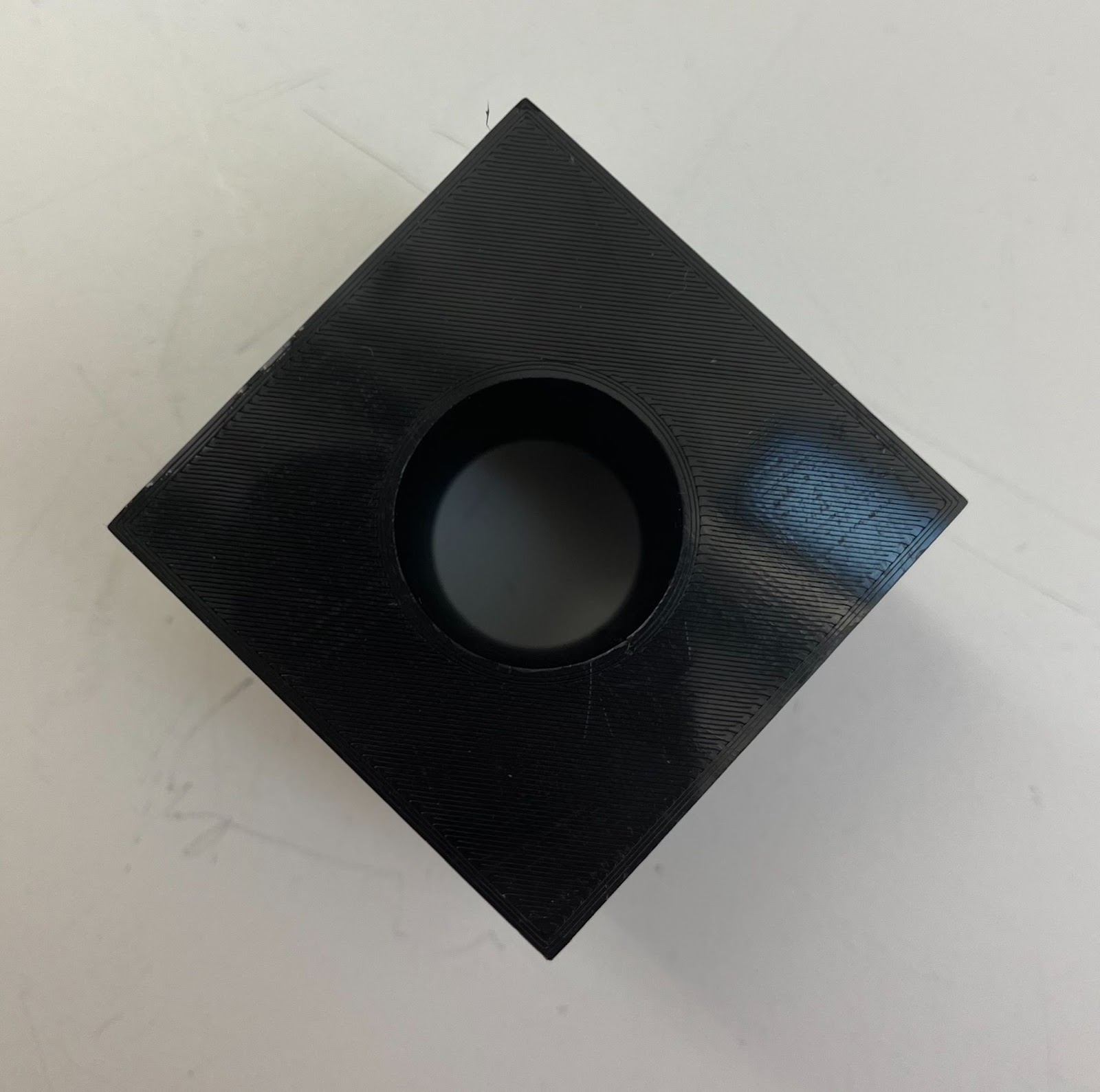
Square & Star: These offer distinct edges that children can easily grip, enhancing their hand-eye coordination.
Oval: Its elongated shape ensures a comfortable grasp, eliminating the challenges posed by round shapes.
Triangle: A simple, yet effective design, the triangle offers fewer edges but each is distinctly sharp, making it easy for children to hold and stack.
The 3D modeling phase was instrumental in visualizing these shapes and understanding their interaction with the central dowel. Post this, we've taken the step to procure a 1-inch wooden dowel. This dowel's design will ensure our stackable shapes can be stacked effortlessly.
____

Group: Jaden, Swostik, Ru
The journey towards our vision of crafting a more inclusive stacking toy for children with special needs advanced significantly this week. With insights garnered from our preliminary prototyping phase, we embarked on refining our designs and zeroing in on the final materials and shape specifics.
Magnets:
Central to our toy's design is the magnet mechanism. After an exhaustive research phase, we've landed on two types of magnets that fit our design objectives:
Small Round Magnets: These will be embedded within each stackable. Their size allows for easy incorporation into the toy without making it bulky, while their strength ensures they can hold and lift the toy component as desired.
Long Strip Magnet: This will be placed inside the dowel at the center. Our hypothesis is that a strip magnet would produce a stronger magnetic field, allowing the stackables to snap into place more effortlessly, while also ensuring easy detachment. This design choice aims to reduce any potential frustration and maximize the joy of play.
Shape Innovations:
Moving beyond traditional stacking toy designs, our objective was clear – make the shapes bigger, lighter, and with sharp, defined edges to assist children who grapple with fine motor skills.
Square & Star: These offer distinct edges that children can easily grip, enhancing their hand-eye coordination.
Oval: Its elongated shape ensures a comfortable grasp, eliminating the challenges posed by round shapes.
Triangle: A simple, yet effective design, the triangle offers fewer edges but each is distinctly sharp, making it easy for children to hold and stack.
The 3D modeling phase was instrumental in visualizing these shapes and understanding their interaction with the central dowel. Post this, we've taken the step to procure a 1-inch wooden dowel. This dowel's design will ensure our stackable shapes can be stacked effortlessly.
____
Group: Jaden, Swostik, Ru
The journey towards our vision of crafting a more inclusive stacking toy for children with special needs advanced significantly this week. With insights garnered from our preliminary prototyping phase, we embarked on refining our designs and zeroing in on the final materials and shape specifics.
Magnets:
Central to our toy's design is the magnet mechanism. After an exhaustive research phase, we've landed on two types of magnets that fit our design objectives:
Small Round Magnets: These will be embedded within each stackable. Their size allows for easy incorporation into the toy without making it bulky, while their strength ensures they can hold and lift the toy component as desired.
Long Strip Magnet: This will be placed inside the dowel at the center. Our hypothesis is that a strip magnet would produce a stronger magnetic field, allowing the stackables to snap into place more effortlessly, while also ensuring easy detachment. This design choice aims to reduce any potential frustration and maximize the joy of play.
Shape Innovations:
Moving beyond traditional stacking toy designs, our objective was clear – make the shapes bigger, lighter, and with sharp, defined edges to assist children who grapple with fine motor skills.
Square & Star: These offer distinct edges that children can easily grip, enhancing their hand-eye coordination.
Oval: Its elongated shape ensures a comfortable grasp, eliminating the challenges posed by round shapes.
Triangle: A simple, yet effective design, the triangle offers fewer edges but each is distinctly sharp, making it easy for children to hold and stack.
The 3D modeling phase was instrumental in visualizing these shapes and understanding their interaction with the central dowel. Post this, we've taken the step to procure a 1-inch wooden dowel. This dowel's design will ensure our stackable shapes can be stacked effortlessly.
____